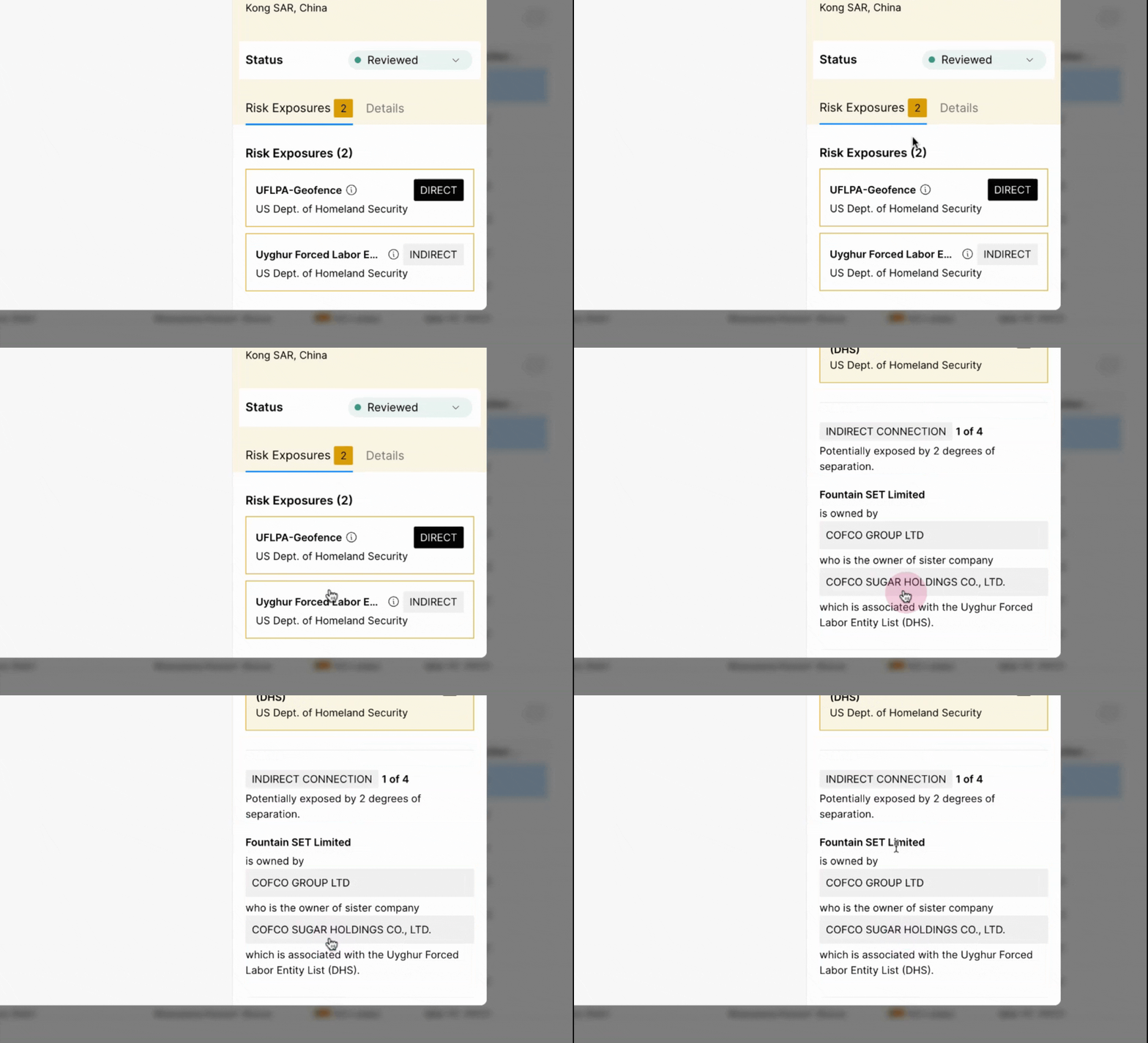
Evaluating Risk in Apparel Value Chains
This guide details the process of evaluating risk in an apparel value chain, focusing on a specific product. The steps include filtering, selecting, and analyzing the product to understand potential exposures and risks.
Product Selection and Initial Analysis
Step 1: Select a filter for the desired product.
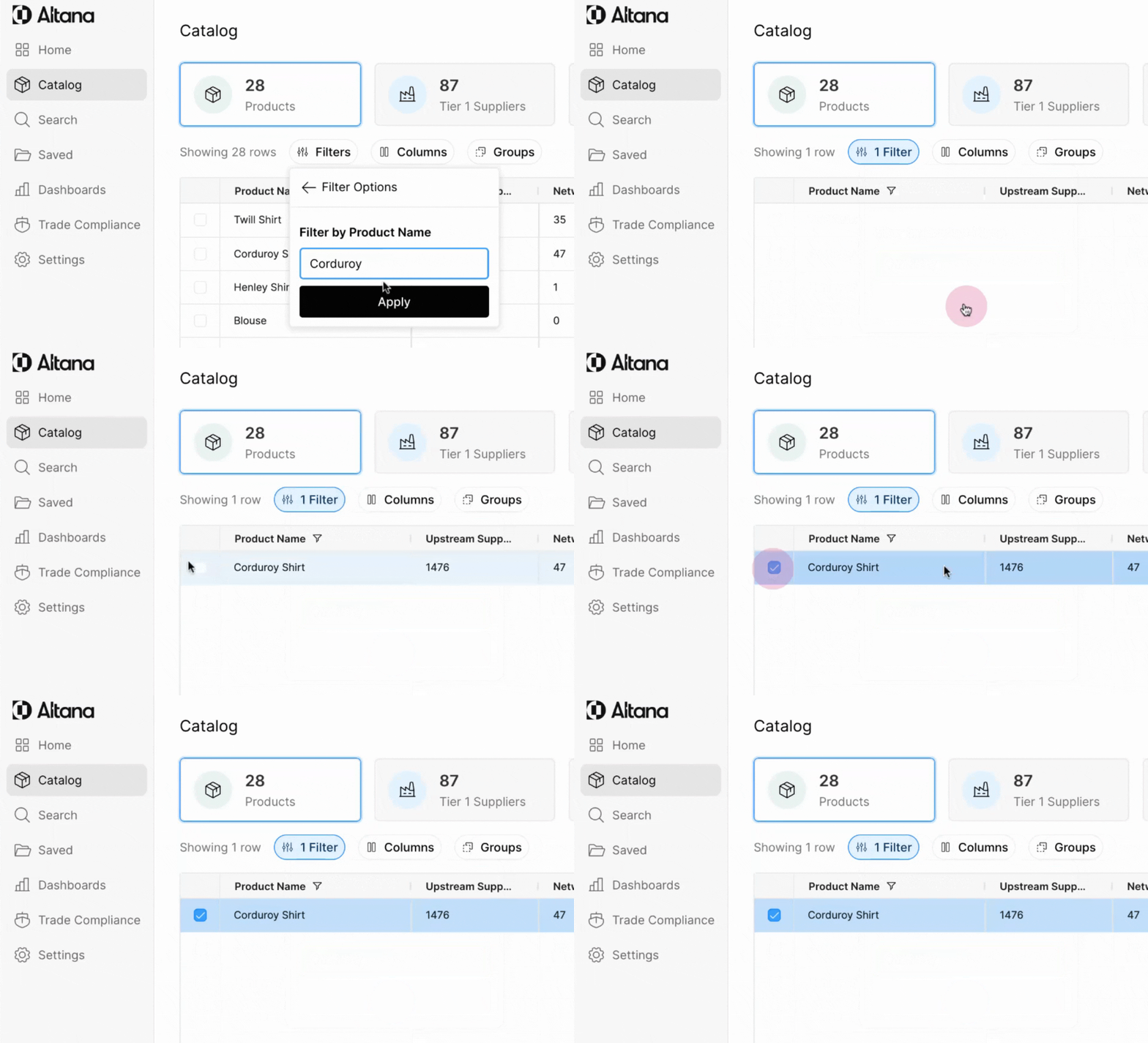
Step 2: Explore further to analyze upstream exposures.
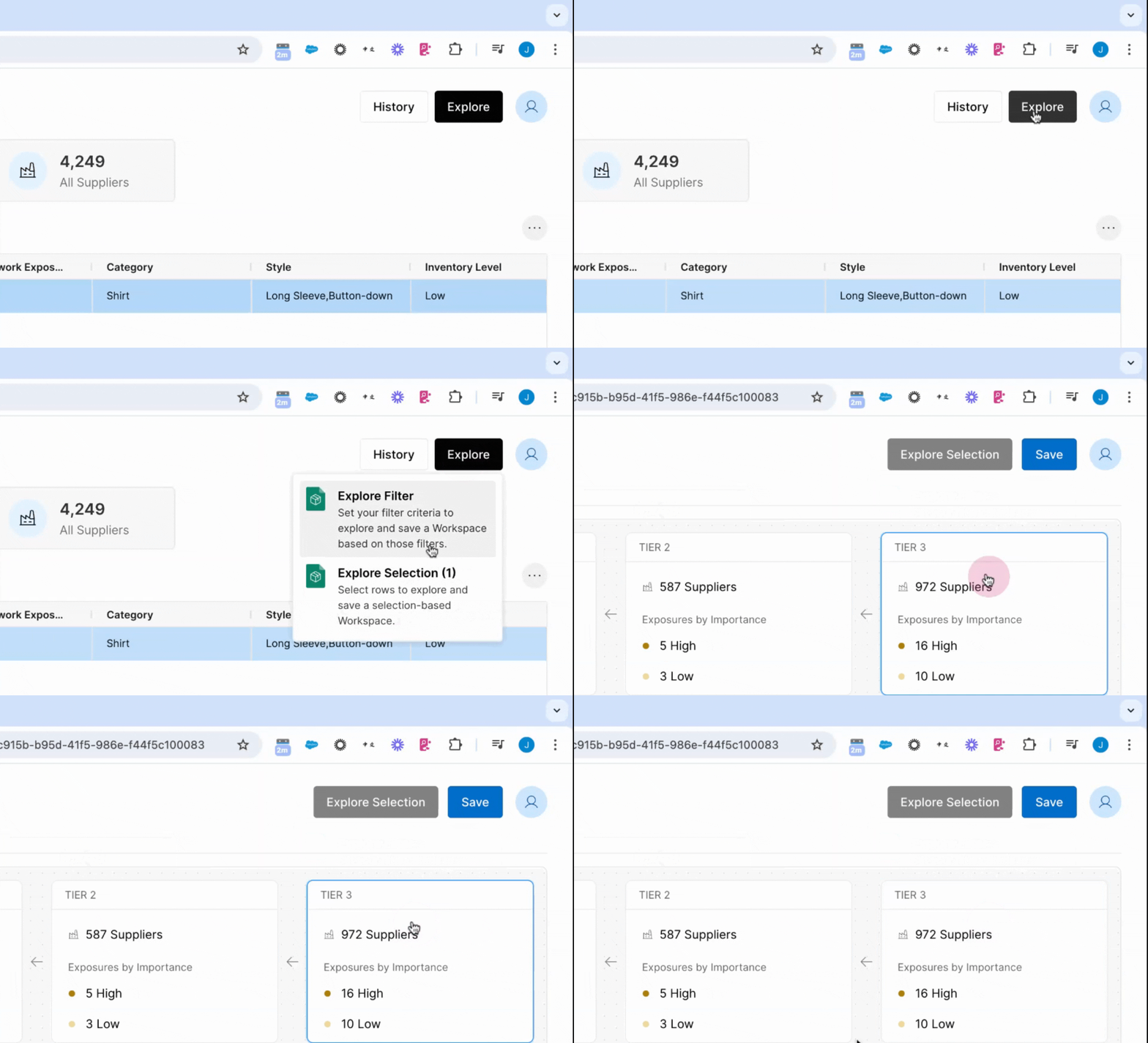
Analyzing Specific Exposures
Step 1: Examine the product and look at high exposures in tier three.
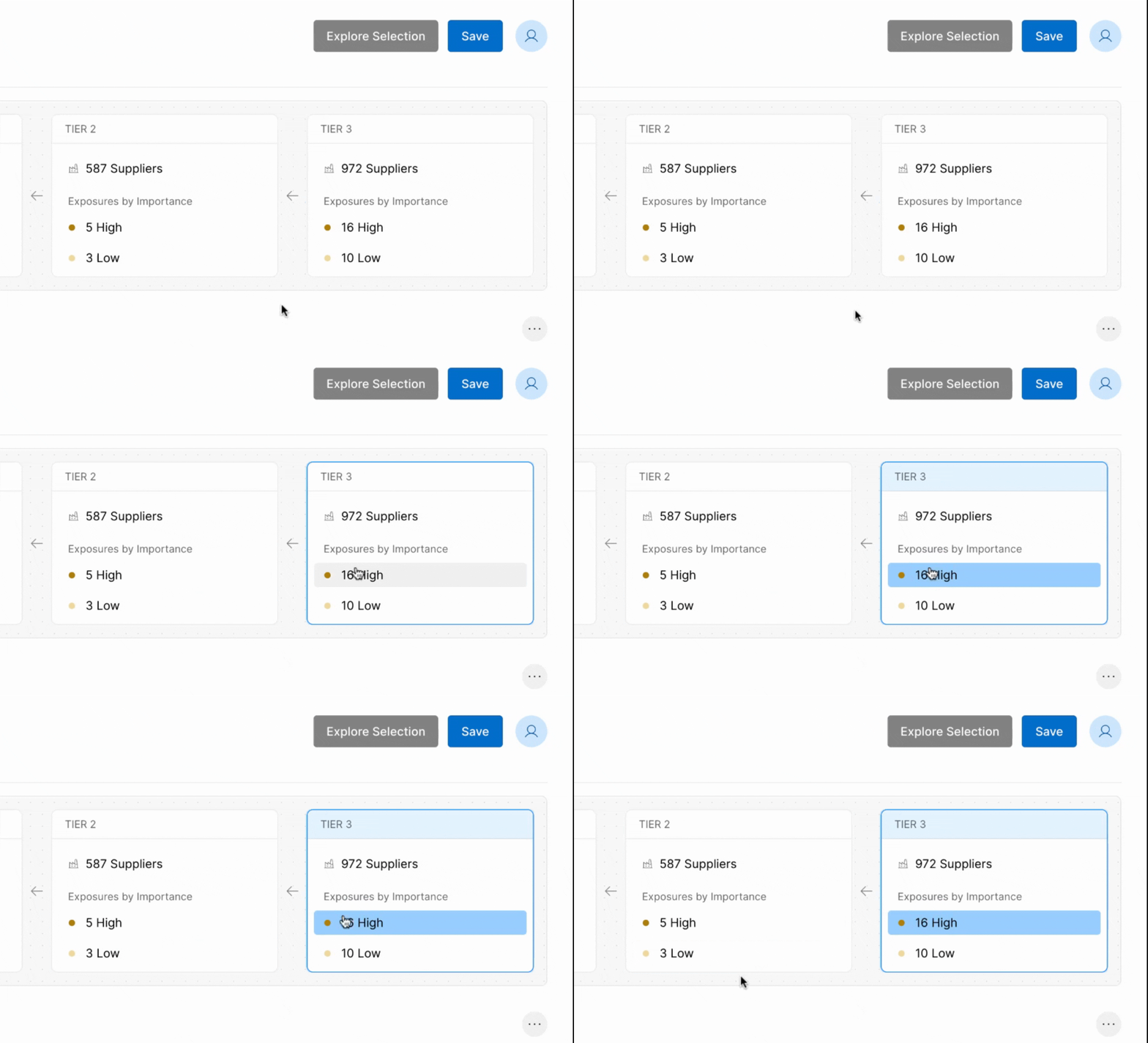
Step 2: Select the first two exposures for further examination.
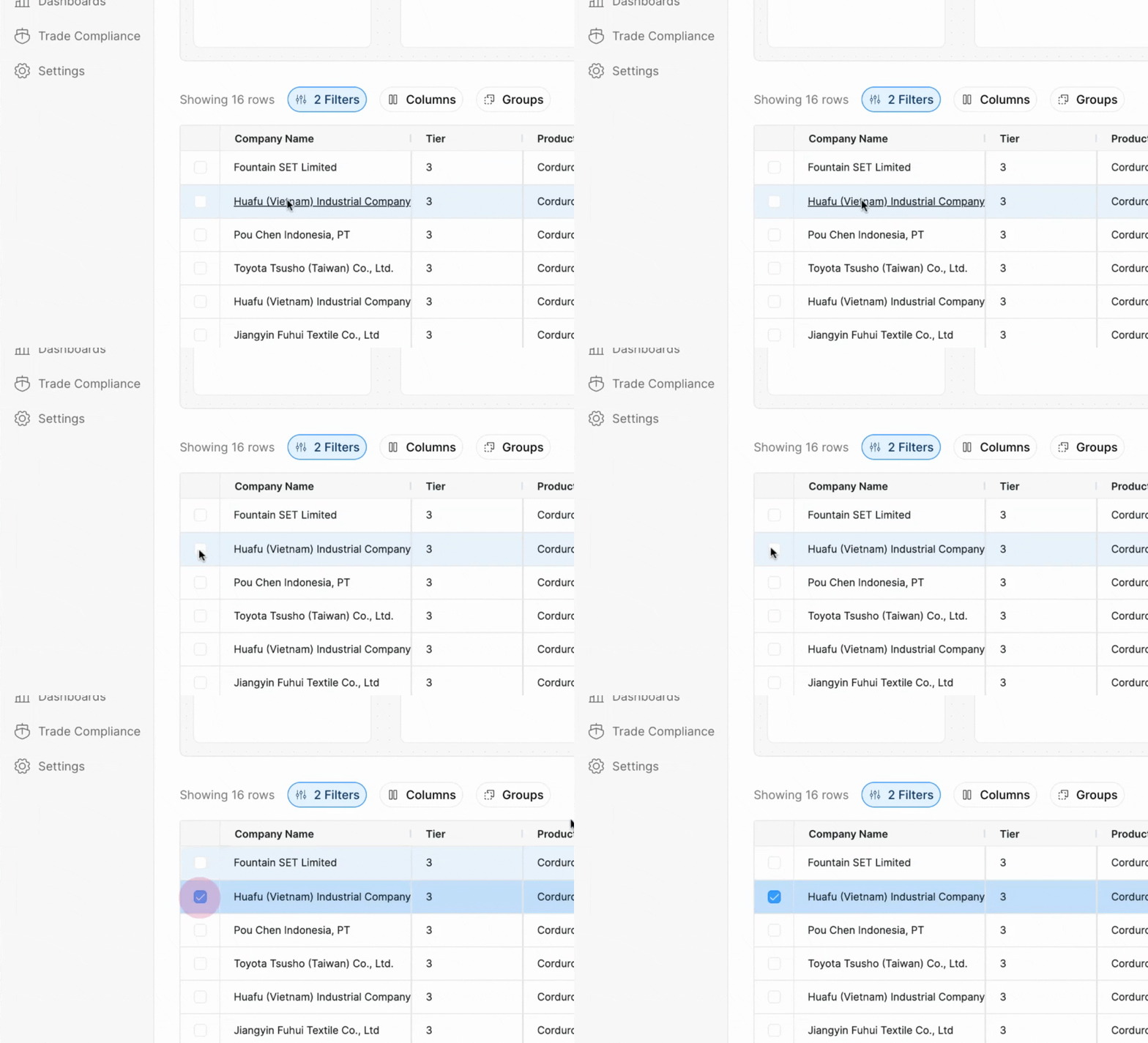
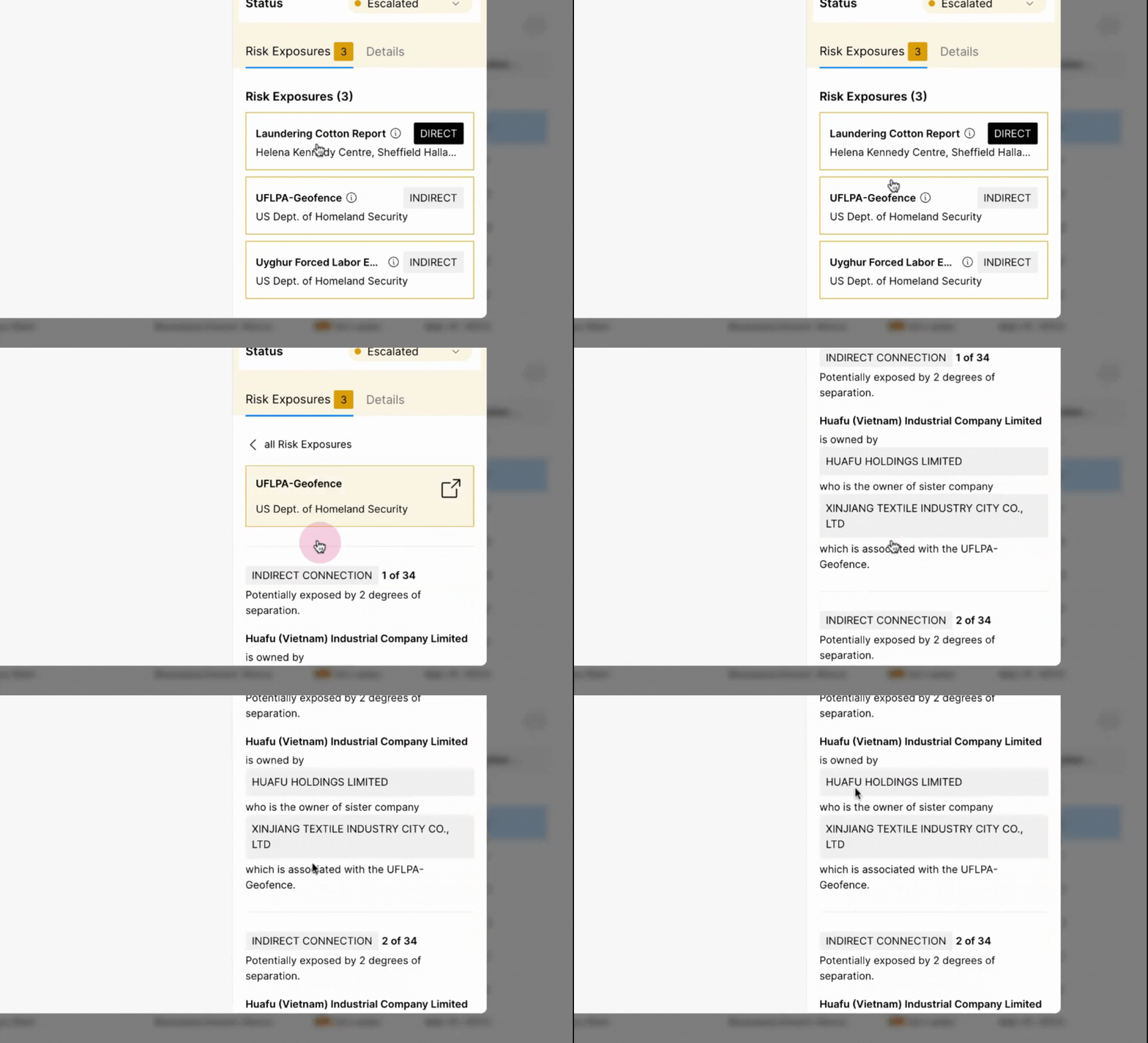
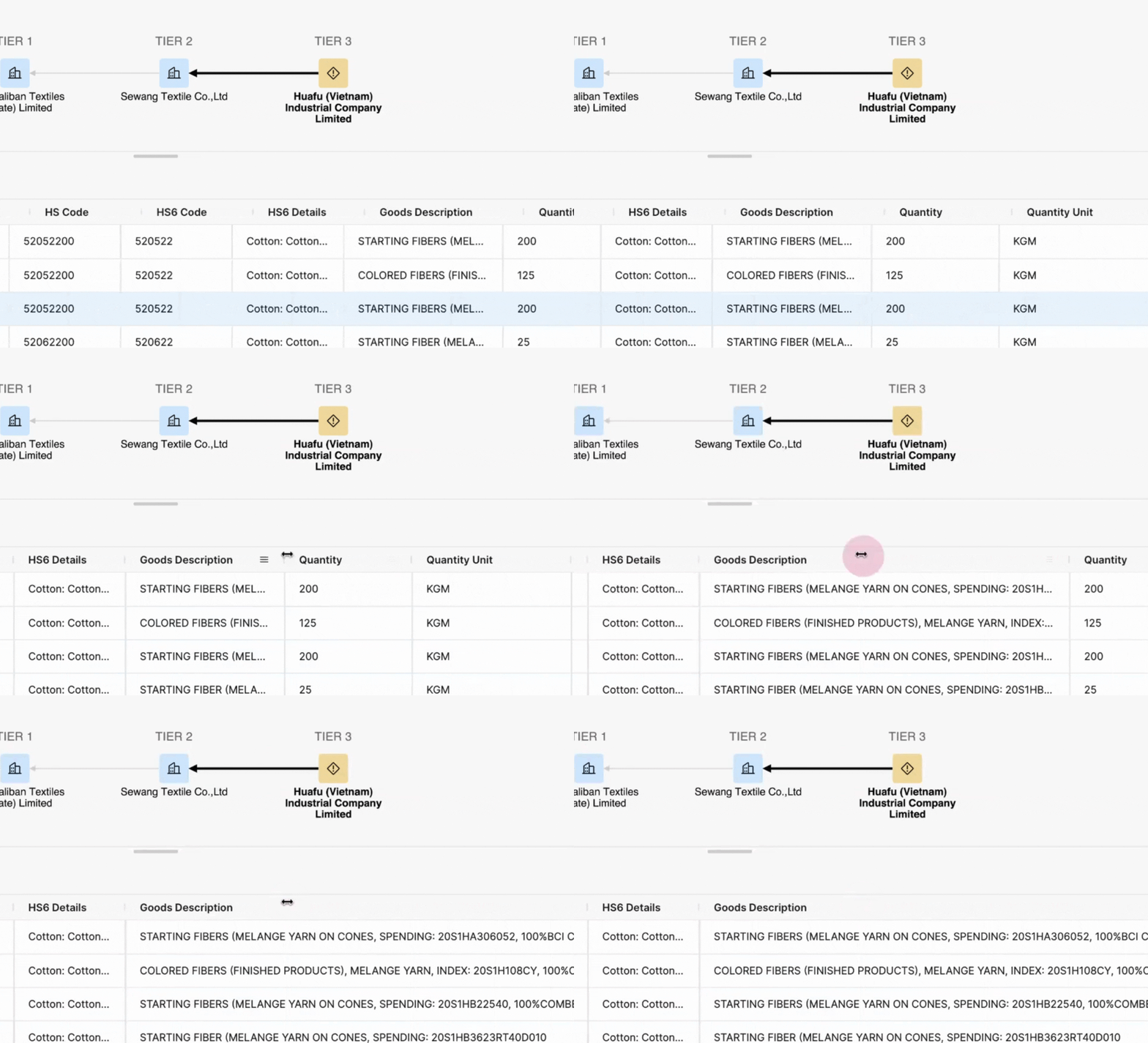
Step 3: Determine the risk level based on the information available. For example, if the company is owned by a holding company that operates a textile company located in a risky region, mark it as a high risk. Analyze the shipment transactions to determine whether risky facility is sending relevant goods to your finished product.
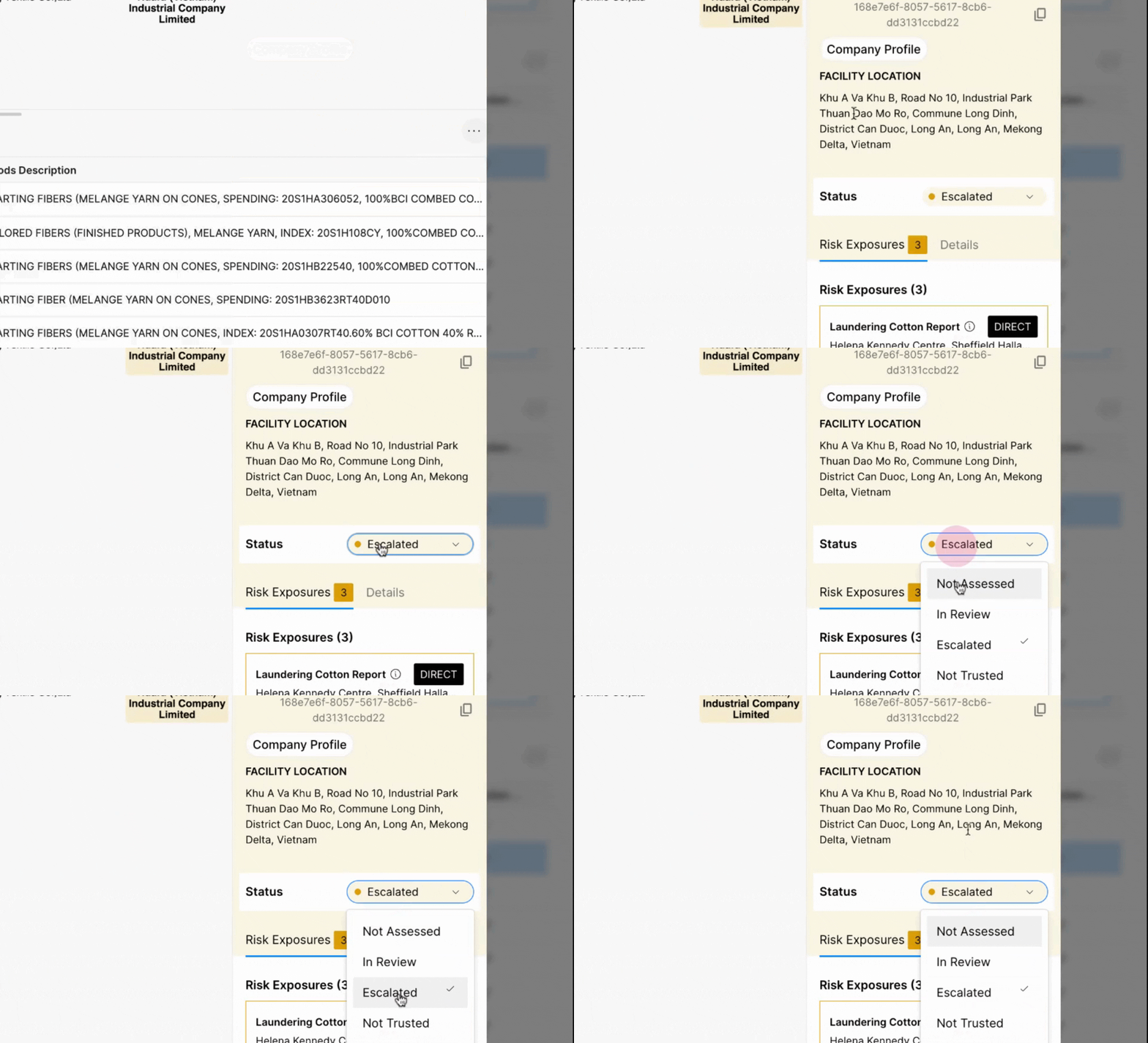
Step 4: If necessary, mark the risk as escalated.
Analyzing Additional Exposures
Step 1: Analyze another potential exposure.
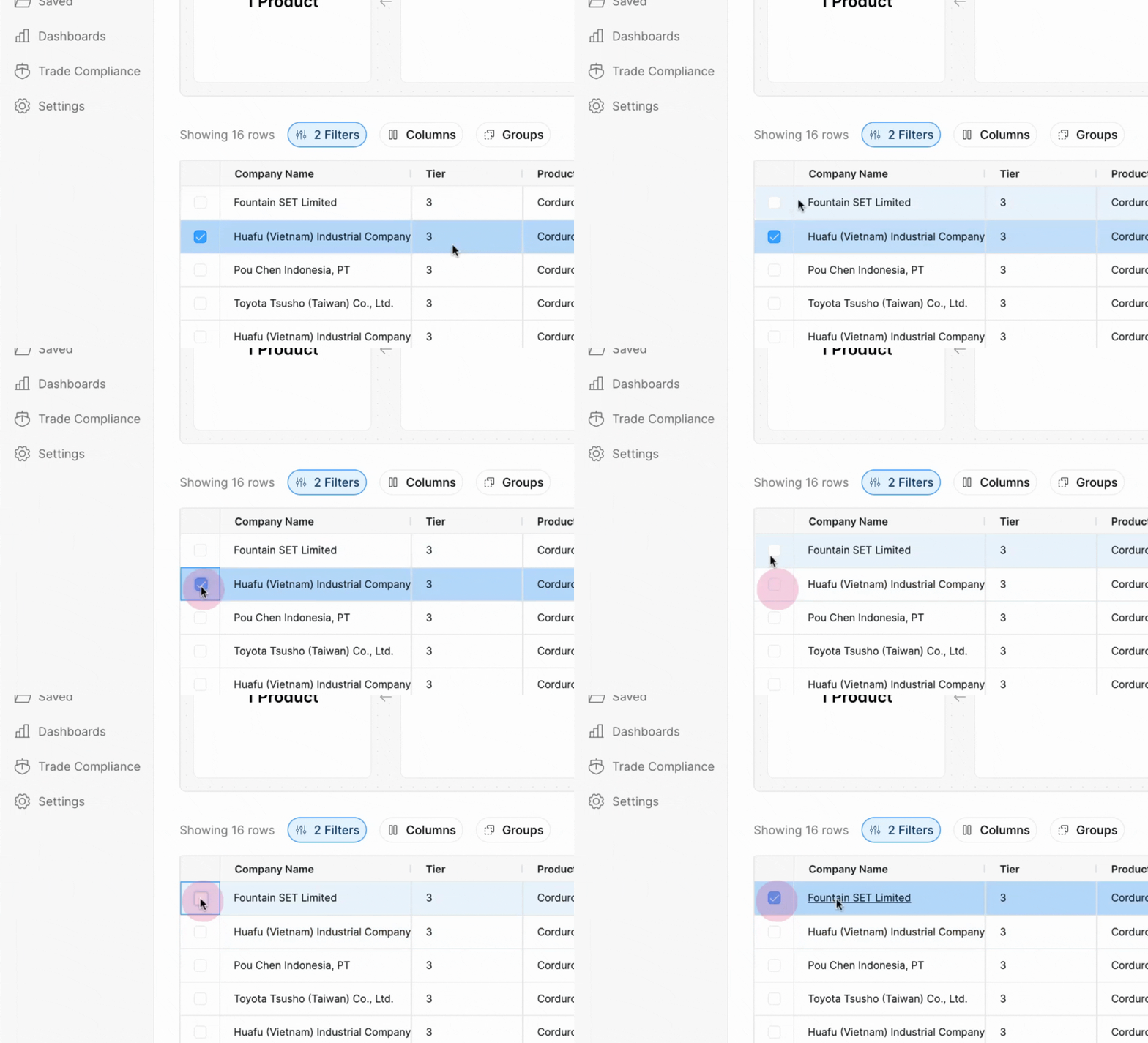
Step 2: Review the ownership and potential risks associated with the exposure.
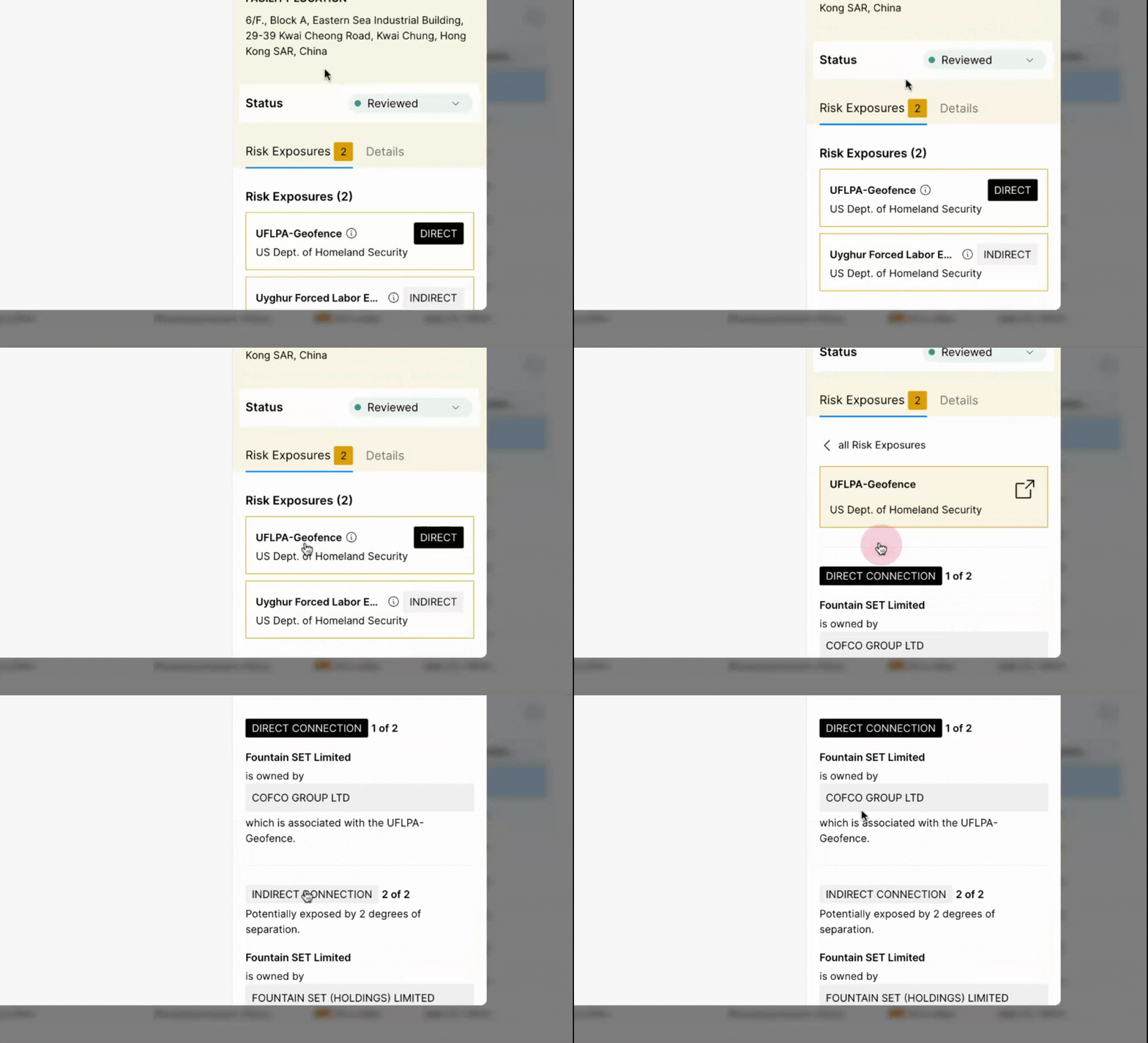
Step 3: Evaluate the risk based on the information available. For example, if the company is owned by a major food producing conglomerate, and the risk is related to one of the conglomerate's subsidiaries that is focused on sugar production, this may not be likely to impact cotton sourcing and activities related to fabric production. It is important to consider the likelihood of the risk affecting the finished product during the course of a thorough risk evaluation.